
特别辅助计划 Special Assistance Plan (SAP)
Explore how our Special Assistance Plan nurtures students in Chinese culture, values, and traditions through arts, history, and immersive programmes.
特选课程(SAP)
作为一所特选学校,南洋小学致力于提供优质的双文化教育,并以坚定的国家认同、良好品格和正确价值观为根基。学校通过富有语言与文化内涵的沉浸式课程,培养兼具双语能力与双文化素养的学生,使他们扎根中华文化、珍视新加坡多元文化,并能自信地与世界建立联系。为配合学校培养“创作者、连接者与启发者”(Creators, Connectors and Inspirers)的愿景,我校特选课程将传统文化、当代学习与真实体验有机结合。
课程主要涵盖以下三个相辅相成的领域:
一、品德、校史与历史传承
学生学习南洋校史、年级核心价值观、《弟子规》、中华经典及历史人物与故事。课程以《三国演义》等内容为基础,并融入新加坡先驱与社区领袖的事迹,引导学生把坚毅、服务和领导等价值与现实生活联系起来。三年级《弟子规》营和精简易懂的数码短片,也进一步推动学生在学校和家庭中实践感恩、尊重与关爱。
二、文化、语言与创意表达
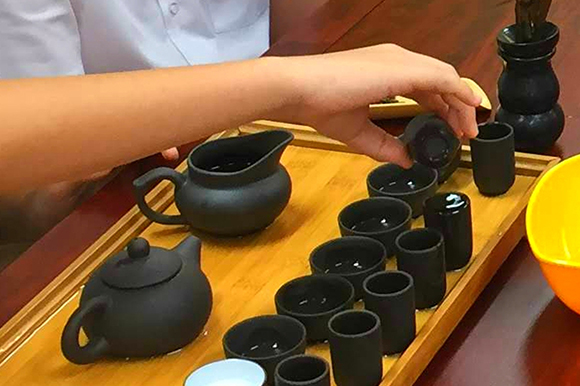
学生通过诗歌、神话传说、成语故事、书法、国画、武术、茶艺、中医药、文学赏析和新谣等课程,感受中华文化的丰富内涵。本地文化课程循序渐进:三年级从本地美食认识新加坡的多元文化;四年级探索土生华人文化及文化交融;五年级则运用设计思维重新设计传统游戏。高年级学生也通过赏析新谣和创作歌词,提升语言能力、创意思维与文化认同。
三、双文化素养、跨文化连接与真实学习
强化双文化双语课程(Bi²Fins,简称“双翼课程”)为获选的四至六年级学生提供为期三年的渐进式学习历程,融合中英语文能力、文化探究、专题研习与设计思维。学生也担任双语双文化小使者,在校内节庆活动及接待本地与海外访客时,真实地运用所学。马来语会话课程(CCM)及外语课程(FLP)也进一步帮助学生跨文化沟通,并在真实交流中运用语言。
学习不局限于课堂。学生通过前往新加坡华族文化中心等地的学习之旅、四年级为期五天的本地浸濡、海外笔友计划、本地跨校交流,以及五年级海外浸濡,拓展视野。农历新年、中秋节、社区服务,以及与百德小学、德林小学和联华小学的合作,为学生创造社会融合与跨文化学习的机会。跨文化节庆互访也让学生亲身认识其他族群的传统,并与海外伙伴学校的同学建立友谊。
通过这些丰富而真实的体验,学生逐步培养适应力、同理心、协作能力、批判性思维与跨文化沟通能力。他们立足本土、联系世界,成长为有文化根基、有品德担当、关心社会,并能跨越文化、为新加坡和世界作出贡献的学习者。
Special Assistance Plan (SAP) Programme
As a Special Assistance Plan (SAP) school, Nanyang Primary School is committed to providing a quality bicultural education anchored in strong national identity, character and values. Through an immersive language- and culture-rich curriculum, we nurture bilingual and bicultural students who are rooted in Chinese heritage, appreciative of Singapore’s multicultural society and confident in connecting with the world. In support of the school’s vision of developing Creators, Connectors and Inspirers, our SAP Programme brings together tradition, contemporary learning and authentic experience.
Our programmes are organised around three complementary areas:
1. Values, Heritage and History
Students learn about Nanyang’s school history, core values, Di Zi Gui, Chinese classics and historical narratives. Lessons on Three Kingdoms are complemented by stories of Singapore pioneers and community leaders, helping students relate values such as resilience, service and leadership to contemporary life. The Primary 3 Di Zi Gui Camp and bite-sized digital resources strengthen the practice of gratitude, respect and care at school and at home.
2. Culture, Language and Creative Expression
Students experience culture through Chinese poetry, myths and legends, idiom stories, calligraphy, Chinese painting, wushu, tea appreciation, traditional Chinese medicine, Chinese literature and Xinyao. The progressive Local Culture Programme explores Singapore’s multicultural heritage through local cuisine in Primary 3, Peranakan culture in Primary 4, and the redesign of traditional games through design thinking in Primary 5. Upper-primary students also study Xinyao and create their own lyrics, strengthening language, creativity and cultural identity.
3. Biculturalism, Connection and Authentic Learning
The Enhanced Bicultural Bilingualism Programme (Bi²Fins) offers selected Primary 4 to Primary 6 students a progressive three-year journey integrating English and Chinese language competencies, cultural inquiry, project-based learning and design thinking. Students apply their learning as bilingual and bicultural ambassadors during school celebrations and when hosting local and overseas visitors. Conversational Malay and the elective Foreign Language Programme further equip students to communicate across cultures and apply language in authentic exchanges.
Learning extends beyond the classroom through learning journeys to institutions such as the Singapore Chinese Cultural Centre, a five-day Primary 4 local immersion, overseas pen-pal exchanges, local-school exchanges and Primary 5 overseas immersion programmes. Chinese New Year and Mid-Autumn celebrations, community outreach and partnerships with Bukit View Primary School, Northoaks Primary School and Lianhua Primary School create meaningful opportunities for social mixing and intercultural learning. Students also experience other cultural traditions through inter-cultural festive visits and build friendships with peers from overseas partner schools.
Through these experiences, students develop adaptability, empathy, collaboration, critical thinking and intercultural communication. Rooted locally and connected globally, they grow into culturally grounded, morally anchored and socially responsible learners who can bridge cultures and contribute meaningfully to Singapore and the wider world.